πŸ‡ΉπŸ‡¦

flag: Tristan da Cunha

Last updated: 04/26/2026

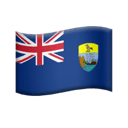
πŸ‡ΉπŸ‡¦ represents the flag of Tristan da Cunha, which uses a blue field with the Union Jack in the top left and a local coat of arms on the right. Some designs appear flat and static while others add folds, shading, or wave-like motion to simulate a flag in the wind.

Tristan da Cunha is known as the most remote inhabited archipelago in the world, located in the South Atlantic. The Blue Ensign layout denotes its British ties, while the specific coat of arms features two Tristan rock lobsters and a shield with albatross symbols to represent local nature.

This emoji is often used to denote this specific geographical location or in discussions about remote travel and maritime culture. It is a key tool for displaying national identity during international events or when referencing British Overseas Territories.
Groups
Subgroups
Unicode
U+1F1F9 U+1F1E6
Variant status
Fully-qualified
Emoji version

Platform rendering differences

flag: Tristan da Cunha appearance on Apple

Apple

flag: Tristan da Cunha appearance on Twemoji

Twemoji

Apple Emoji icons and related visual assets shown here are the property and registered trademarks of Apple Inc. They are included only for commentary, comparison, and informational purposes, not for commercial use.

You may also want to check out

Related emojis that share similar meanings or usage.

πŸ‡»πŸ‡¬
flag: British Virgin Islands

πŸ‡»πŸ‡¬ represents the flag of the British Virgin Islands, which displays a dark blue field with the Union Jack in the corner and a green shield on the right. Some designs appear flat and static while others add folds, shading, or wave-like motion to simulate a flag in the wind. The British Virgin Islands are a prominent Caribbean territory famous for their white-sand beaches and major yachting hubs. The green shield contains the image of Saint Ursula and her lamps, a core cultural symbol that distinguishes this flag from other blue ensigns used in the region. This emoji is often used to denote local pride, discuss Caribbean travel logistics, or identify participants in regional sports. It serves as a clear geographical marker for the islands in digital maps and travel itineraries.

πŸ‡ΈπŸ‡­
flag: St. Helena

πŸ‡ΈπŸ‡­ represents the flag of St. Helena, showing a blue field with the Union Jack in the corner and a shield depicting a Wirebird and a sailing ship. Some designs appear flat and static while others add folds, shading, or wave-like motion to simulate a flag in the wind. Saint Helena is a remote volcanic island in the South Atlantic, and its flag uses the British Blue Ensign as a foundation. The coat of arms on the right side features the Wirebird, an endemic species, alongside a historic three-masted sailing ship near steep coastal cliffs. This emoji is often used to denote the island's unique location or to discuss its famous historical role. It serves as a specific territorial marker in digital maps, travel itineraries, and cultural profiles.

πŸ‡¬πŸ‡¬
flag: Guernsey

πŸ‡¬πŸ‡¬ represents the flag of Guernsey, which displays a red cross on a white field with a smaller gold cross centered inside it. Some designs appear flat and static while others add folds, shading, or wave-like motion to simulate a flag in the wind. Guernsey is a British Crown Dependency situated in the English Channel. The red cross mirrors the Cross of St George, while the inner gold cross specifically honors William the Conqueror, reflecting the island's deep historical roots as part of the Duchy of Normandy. This emoji is commonly used to denote local national identity and geographic location. It is often used in discussions regarding the island's unique culture, tourism, or participation in international sports.

πŸ‡΅πŸ‡³
flag: Pitcairn Islands

πŸ‡΅πŸ‡³ represents the flag of Pitcairn Islands, which uses a blue field with a Union Jack in the upper left and a green and yellow crest on the right. Some designs appear flat and static while others add folds, shading, or wave-like motion to simulate a flag in the wind. Pitcairn is a remote volcanic island in the South Pacific known for its small population and unique history. The yellow anchor and Bible on the shield represent the HMS Bounty, while the green and yellow crest elements signify the local flora and the island's natural landscape. This emoji is often used in maritime, travel, and geographical contexts. It effectively identifies the territory during cultural discussions or when highlighting the specific identity of this isolated community.

πŸ‡«πŸ‡°
flag: Falkland Islands

πŸ‡«πŸ‡° represents flag: Falkland Islands, showing a blue field with a Union Jack in the canton and a coat of arms on the right. Some designs appear flat while others add folds to simulate a flag in the wind. The Falkland Islands are located in the South Atlantic, and the coat of arms on the flag features a ram above the ship Desire, signifying the importance of the wool industry and early exploration. The blue background serves as a maritime symbol for the territory's deep connection to the sea. This emoji is often used to denote regional identity in travel and geography contexts. It is also common in digital spaces to represent the territory during international sporting events or official administrative updates.