flag: Dominica

πŸ‡©πŸ‡²

flag: Dominica

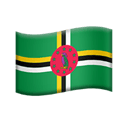
πŸ‡©πŸ‡² represents the flag of Dominica, which has a green field and a three-colored cross of yellow, black, and white with a red central disk containing a parrot. Some designs appear flat and static while others add folds, shading, or wave-like motion to simulate a flag in the wind.

Dominica is a mountainous Caribbean island often called the Nature Island for its extensive rainforest cover. The central Sisserou parrot is a rare bird unique to the nation, and the green background reflects the island's verdant landscape while the cross elements symbolize the faith of the people.

This emoji is often used to signify national identity during cultural events or to mark travel destinations in the Lesser Antilles. It is also frequently seen in social media bios to denote heritage or citizenship.
Groups
Subgroups
Unicode
U+1F1E9 U+1F1F2
Variant status
Fully-qualified
Emoji version
E2.0

You may also want to check out

Related emojis that share similar meanings or usage.

πŸ‡§πŸ‡§
flag: Barbados

πŸ‡§πŸ‡§ represents the flag of Barbados, which displays three vertical stripes of blue, yellow, and blue with a black trident head in the center. Some designs appear flat and static while others add folds, shading, or wave-like motion to simulate a flag in the wind. Barbados is an island nation located in the Caribbean. The blue bands represent the surrounding sea and sky, while the golden center signifies the sand. The broken trident symbolizes independence from colonial rule and the three principles of democracy. It serves as a powerful national emblem of sovereignty. This emoji is often used to denote national identity, celebrate local culture, or mark travel destinations. It frequently appears in discussions regarding Caribbean sports and regional events.

πŸ‡ͺπŸ‡¨
flag: Ecuador

πŸ‡ͺπŸ‡¨ represents the flag of Ecuador, which features three horizontal bands of yellow, blue, and red with a detailed coat of arms in the center. Some designs appear flat and static while others add folds, shading, or wave-like motion to simulate a flag in the wind. Ecuador is a South American nation located on the Earth's equator, and its flag uses yellow to represent sunshine and grain, blue for the sea and sky, and red for the blood of patriots. The central coat of arms depicts an Andean condor perched atop a shield, which illustrates the country's diverse landscape from the mountains to the coast. This emoji is frequently used to denote national identity in social media bios or to celebrate cultural achievements. It is also common in discussions regarding Andean geography, tourism to the GalΓ‘pagos, or during major sporting events.

πŸ‡¨πŸ‡·
flag: Costa Rica

πŸ‡¨πŸ‡· represents the flag of Costa Rica, which uses five horizontal bands of blue, white, and red with a coat of arms in the center. Some designs appear flat and static while others add folds, shading, or wave-like motion to simulate a flag in the wind. Costa Rica is a Central American nation known for its rich biodiversity and long-standing democratic tradition. The central red band is the widest part of the design, symbolizing the warmth of the people and the blood shed for freedom, while the blue and white stripes represent the sky and peace respectively. This emoji is frequently used to denote national identity in digital spaces, particularly during global athletic competitions or cultural festivals. It is often used to tag travel content or to identify the country in geographical and political discussions.

πŸ‡©πŸ‡΄
flag: Dominican Republic

πŸ‡©πŸ‡΄ represents flag: Dominican Republic, a white cross centered on a blue and red quartered background with a coat of arms in the middle. Some designs appear flat and static while others add folds, shading, or wave-like motion to simulate a flag in the wind. The Dominican Republic is a Caribbean nation known for its diverse geography and vibrant culture. The white cross signifies peace, while the blue and red quadrants reflect liberty and the blood of those who fought for the nation. The central national coat of arms is a unique detail that distinguishes it from other multi-colored flags. This emoji is often used to express national identity, pride in Dominican heritage, or to mark travel destinations. It frequently appears in discussions regarding Caribbean tourism, baseball, and local festivals.

πŸ‡§πŸ‡Ά
flag: Caribbean Netherlands

πŸ‡§πŸ‡Ά represents flag: Caribbean Netherlands, displaying a diagonal white stripe separating a yellow triangle at the top and a blue triangle at the bottom, with a black ring and red star centered. Some designs appear flat and static while others add folds, shading, or wave-like motion to simulate a flag in the wind. This territory consists of three special municipalities located in the Caribbean Sea. The red six-pointed star and black ring are core national identity symbols that represent the islands' unity and their geographical location within the western hemisphere. This emoji is often used when discussing travel to the BES islands or in cultural posts celebrating the Dutch Caribbean. It provides a specific geographical marker for these unique administrative regions.