flag: Dominican Republic

πŸ‡©πŸ‡΄

flag: Dominican Republic

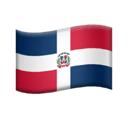
πŸ‡©πŸ‡΄ represents flag: Dominican Republic, a white cross centered on a blue and red quartered background with a coat of arms in the middle. Some designs appear flat and static while others add folds, shading, or wave-like motion to simulate a flag in the wind.

The Dominican Republic is a Caribbean nation known for its diverse geography and vibrant culture. The white cross signifies peace, while the blue and red quadrants reflect liberty and the blood of those who fought for the nation. The central national coat of arms is a unique detail that distinguishes it from other multi-colored flags.

This emoji is often used to express national identity, pride in Dominican heritage, or to mark travel destinations. It frequently appears in discussions regarding Caribbean tourism, baseball, and local festivals.
Groups
Subgroups
Unicode
U+1F1E9 U+1F1F4
Variant status
Fully-qualified
Emoji version
E2.0

You may also want to check out

Related emojis that share similar meanings or usage.

πŸ‡»πŸ‡ͺ
flag: Venezuela

πŸ‡»πŸ‡ͺ represents the flag of Venezuela, which contains three horizontal bands of yellow, blue, and red with eight white stars arranged in a downward arc in the center. Some designs appear flat and static while others add folds, shading, or wave-like motion to simulate a flag in the wind. Venezuela is a South American country with a rich cultural heritage and significant biodiversity. The yellow band signifies the land's riches, the blue represents the sea, and the red stands for courage, while the eight stars honor the original provinces that sought independence. This emoji is often used to express national pride or to mark geographic locations in digital communication. It is a frequent sight in discussions regarding Venezuelan culture, international sports, and regional travel.

πŸ‡΅πŸ‡·
flag: Puerto Rico

πŸ‡΅πŸ‡· represents the flag of Puerto Rico, which features five alternating horizontal stripes of red and white with a blue triangle and a white star on the left. Some designs appear flat and static while others add folds, shading, or wave-like motion to simulate a flag in the wind. Puerto Rico is a Caribbean island known for its vibrant music and diverse landscape. The blue triangle signifies the three branches of government, while the white star represents the island itself, set against red stripes for bravery and white for liberty. This emoji is frequently used to denote cultural identity and local heritage. It is often used in posts about Caribbean travel, holiday celebrations, or during international sports competitions to show support for the island.

πŸ‡ΈπŸ‡»
flag: El Salvador

πŸ‡ΈπŸ‡» represents the flag of El Salvador, which displays three horizontal bands of blue and white with a detailed coat of arms in the center. Some designs appear flat and static while others add folds, shading, or wave-like motion to simulate a flag in the wind. El Salvador is located along the Pacific coast of Central America and is famous for its volcanic landscape. The blue bands signify the two oceans surrounding the region, while the central emblem contains a yellow triangle and green laurel leaves representing the country's ideals and natural beauty. This emoji is frequently used to denote national identity in social media bios or to highlight cultural topics. It is often used in conversations about geography, regional travel, or international sports competitions to show support for the Salvadoran team.

πŸ‡­πŸ‡³
flag: Honduras

πŸ‡­πŸ‡³ represents the flag of Honduras, which has three horizontal bands of blue and white with five blue stars arranged in an 'X' pattern at the center. Some designs appear flat and static while others add folds, shading, or wave-like motion to simulate a flag in the wind. Honduras is a Central American nation known for its rich biodiversity and Caribbean coastline. The five stars on the flag symbolize the historical hope for a unified Central American union, while the blue bands represent the two oceans that surround the territory, providing a clear national identity. This emoji is commonly used to denote Honduran citizenship or to celebrate cultural holidays like Independence Day. It is often used in sports contexts or when discussing travel and geography within the region.

πŸ‡ΊπŸ‡Έ
flag: United States

πŸ‡ΊπŸ‡Έ represents flag: United States, a design with 13 horizontal red and white stripes and a blue canton in the upper left containing white stars. Some designs appear flat and static while others add folds, shading, or wave-like motion to simulate a flag in the wind. The United States is a large North American nation known for its diverse geography and global cultural impact. The red and white stripes commemorate the original thirteen colonies, while the blue field and stars represent the union of the fifty states. This combination is a powerful symbol of national identity and historical continuity. It is often used to mark American cultural topics, holiday celebrations, or to cheer for national teams in sports. This emoji frequently appears in travel contexts or when discussing topics related to the country's geography and influence.