dove

πŸ•ŠοΈ

dove

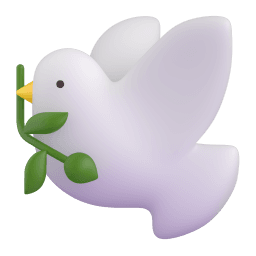
πŸ•ŠοΈ: dove, typically shown in flight with white or light gray wings spread wide and a small branch in its beak. The head faces left, with a rounded body and a fan-shaped tail.

Doves are birds that have been used for centuries to represent non-violence and the end of conflict. This specific imagery is often associated with the concept of a peace offering, where the olive branch signifies the restoration of harmony and the arrival of good news.

In digital communication, this emoji is used to express hope for the future or to offer comfort during difficult times. It is a common sight in posts about global unity, social justice, and spiritual growth. People also use it when they want to settle a dispute or simply convey a sense of calm and serenity.

  • A friend shares they’ve been stressed lately.

    sending calm thoughts your way πŸ•ŠοΈ

Subgroups
Unicode
U+1F54A U+FE0F
Variant status
Fully-qualified
Emoji version
E0.7

You may also want to check out

Related emojis that share similar meanings or usage.

πŸͺΆ
feather

πŸͺΆ: feather, typically shown as a long brown feather angled from lower left to upper right, with dark stripes along the vane and a pale fluffy base. The edges are smooth, and some designs add a small notch for a more natural look. Feathers are unique structures that serve various biological functions for birds, such as providing warmth and enabling flight. Throughout history, they have also functioned as tools for communication in the form of quills and as sacred objects in many indigenous cultures worldwide. In digital communication, this emoji is frequently used to represent lightness, grace, or the concept of flight. It can be sent to indicate a soft touch or a gentle personality. Additionally, it is popular in creative circles to symbolize writing, literature, and the arts, or to simply express a connection with nature and wildlife.

🐦
bird

🐦: bird, typically shown as a small blue or red bird standing in profile with a rounded body, a short beak, and a long tail. It has dark wing markings, a round eye, and thin legs. Birds are diverse creatures found throughout the world, known for their feathers and ability to fly. They play vital roles in nature as pollinators and seed dispersers, and their unique songs are often the first sign of a new day. Many people associate them with freedom and the boundless sky. In daily messaging, this emoji is frequently used to discuss nature, pets, or early mornings. It is a popular choice for sharing news or secrets, often referencing the idiom 'a little bird told me.' It also appears in social media posts about travel or outdoor activities to convey a sense of lightness and joy.

πŸ¦†
duck

πŸ¦†: duck, typically shown as a duck with a dark green head, a yellow or orange bill, a white neck ring, and a brown chest. The body is light gray or tan, with orange webbed feet. Ducks are common waterfowl known for their ability to swim, fly, and walk. The specific coloring of this emoji represents the male mallard, which is recognized by its vibrant plumage and orange webbed feet. They are highly social birds that are often found in groups near lakes and rivers. In digital communication, the duck is a popular choice for lighthearted messages or to express a quirky and fun personality. It is frequently used when discussing nature walks, feeding birds at the park, or simply to add a whimsical touch to a conversation. It can also be used metaphorically to suggest someone is 'ducking' a question or to celebrate a successful 'duck' in sports.

🐀
baby chick

🐀: baby chick, typically shown as a round bright yellow chick with a large head, small dark eyes, and an orange beak. It often stands on tiny orange legs with a slightly raised tail and simple wing lines. Baby chicks are young birds that emerge from eggs after an incubation period of about 21 days. They are famous for their bright yellow appearance and soft texture, which makes them a popular icon for childhood innocence and the arrival of spring across many cultures. This emoji is frequently used to describe things that are exceptionally cute or tiny. It often appears in messages about hatching new ideas, celebrating a birthday, or simply acting as a playful substitute for 'chick' in a friendly context. It is also a staple for Easter-themed social media posts and spring weather updates.

πŸ₯
front-facing baby chick

πŸ₯: front-facing baby chick, typically shown as a round yellow chick with a small orange beak, black eyes, and tiny orange feet. Some designs add a little tuft of feathers on top. Front-facing baby chicks are iconic symbols of springtime and new beginnings. Known for their soft downy feathers, these young birds represent the early stages of life and are frequently associated with farm life and the natural world. Their simple, bright appearance makes them a universal emblem of innocence and youth. This emoji is frequently used to express that something is extremely cute or 'kawaii.' It is also a popular choice for Easter-related posts or when discussing a fresh start. You might use it to call yourself a 'newbie' in a playful way or to congratulate someone on a new arrival, such as saying 'Welcome to the world πŸ₯!'