cactus

🌡

cactus

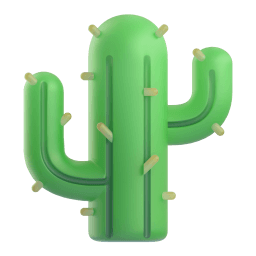
🌡: cactus, typically shown as a tall green cactus with a central stem and two upward-curving arms. It often has small dot-like spines and a simple, pot-free base.

Cacti are resilient desert plants that signify endurance and strength. They are famous for their sharp spines and their unique ability to survive in arid climates by storing water in their thick, fleshy stems. Because of their hardy nature, they are often associated with protection and persistence.

This emoji is commonly used when discussing hot weather, summer vibes, or dry landscapes like the desert. It is also popular in the context of indoor gardening and succulent collections. In a more metaphorical sense, people use it to describe someone who is a bit 'prickly' or to highlight a tough situation that requires a lot of patience to navigate.

  • You’re joking about how busy life has been but you’re still hanging on.

    Haven’t had a day off in weeks, yet somehow still alive 🌡

Subgroups
Unicode
U+1F335
Variant status
Fully-qualified
Emoji version
E0.6

You may also want to check out

Related emojis that share similar meanings or usage.

🌾
sheaf of rice

🌾: sheaf of rice, typically shown as a bent cluster of rice stalks with green leaves and golden grain heads. The stalks usually lean to one side and hang downward. Sheaves of rice are the traditional symbol of a successful harvest and agricultural prosperity. As a global staple, rice signifies life and sustenance. The transition from green leaves to golden grains marks the peak of the growing season and the arrival of autumn. In digital communication, this emoji is frequently used to celebrate nature, farming, or the fall season. It often accompanies photos of rural landscapes or rice-based meals. Beyond agriculture, people use it to symbolize growth and the 'fruits of labor,' making it a popular choice for marking the completion of a long-term goal or a successful endeavor.

🌴
palm tree

🌴: palm tree, typically shown as a tall tree with a slender brown trunk and a crown of long green fronds. The trunk often bends slightly to one side. Palm trees are iconic plants associated with tropical landscapes and sunny shorelines. They are highly adaptable to sandy soils and salty air, making them a staple of coastal ecosystems worldwide. Beyond their beauty, they have historically symbolized triumph and peace across various cultures and religions. This emoji is a favorite for social media captions related to summer holidays, beach trips, and tropical islands. It is frequently used to express a 'vacation mode' mindset or to simply celebrate beautiful, warm weather. Whether you are posting about a weekend at the coast or dreaming of a tropical escape, it serves as a universal shorthand for relaxation and leisure.

πŸͺ΄
potted plant

πŸͺ΄: potted plant, typically shown as a leafy green plant growing in a reddish-brown pot. The leaves spread outward in a full, compact shape. Potted plants are essential components of modern indoor gardening, bringing a touch of the natural world into homes and offices. They serve as symbols of life and growth, requiring consistent care and attention to thrive in an artificial environment. This emoji is a popular choice for social media posts about interior design or home improvement. It is frequently used by enthusiasts to show off their collection of indoor greenery or to signal a relaxing, 'zen' atmosphere. Whether you are moving into a new apartment or simply enjoying a quiet afternoon, it perfectly captures the essence of a peaceful, well-tended living space.

πŸ‚
fallen leaf

πŸ‚: fallen leaf, typically shown as two or three dry leaves in yellow, orange, and brown tones, sometimes overlapping or scattered at an angle. The leaves often have visible veins and uneven edges. Fallen leaves are the quintessential symbol of the autumn season, representing the natural process where trees shed foliage to prepare for winter. This transition creates the iconic golden-brown landscapes associated with harvest time and cooling temperatures. In digital communication, this emoji is frequently used to celebrate the start of fall or to caption photos of nature walks and crisp weather. It often sets a peaceful or melancholic tone, appearing in messages about the passage of time or simply to enhance a cozy aesthetic. You might use it when saying, 'Finally time for scarves and boots πŸ‚.'

πŸ¦†
duck

πŸ¦†: duck, typically shown as a duck with a dark green head, a yellow or orange bill, a white neck ring, and a brown chest. The body is light gray or tan, with orange webbed feet. Ducks are common waterfowl known for their ability to swim, fly, and walk. The specific coloring of this emoji represents the male mallard, which is recognized by its vibrant plumage and orange webbed feet. They are highly social birds that are often found in groups near lakes and rivers. In digital communication, the duck is a popular choice for lighthearted messages or to express a quirky and fun personality. It is frequently used when discussing nature walks, feeding birds at the park, or simply to add a whimsical touch to a conversation. It can also be used metaphorically to suggest someone is 'ducking' a question or to celebrate a successful 'duck' in sports.