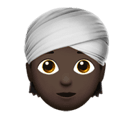
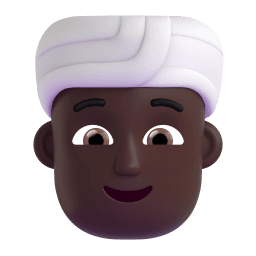
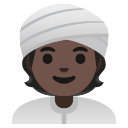
person wearing turban: dark skin tone

๐Ÿ‘ณ๐Ÿฟ

person wearing turban: dark skin tone

๐Ÿ‘ณ๐Ÿฟ: person wearing turban: dark skin tone, usually shown as a front-facing headshot with a wrapped headpiece.

This usually means representing heritage, faith, or cultural pride, often linked to South Asian or Middle Eastern traditions.

Commonly used in messages like 'Heading to the temple today ๐Ÿ‘ณ๐Ÿฟ' or when discussing cultural festivals and community events. It also serves as a respectful way to represent individuals who wear this headwear daily.

Subgroups
Unicode
U+1F473 U+1F3FF
Variant status
Fully-qualified
Emoji version
E1.0

You may also want to check out

Related emojis that share similar meanings or usage.

๐Ÿ‘ณ๐Ÿปโ€โ™‚๏ธ
man wearing turban: light skin tone

๐Ÿ‘ณ๐Ÿปโ€โ™‚๏ธ: man wearing turban: light skin tone, shown as a man wearing a traditional head covering. This usually means representing someone from a culture where turbans are worn for devotion or heritage. For example, people use it for 'My friend ๐Ÿ‘ณ๐Ÿปโ€โ™‚๏ธ is visiting from India' or to discuss cultural festivals. It also fits stories about tradition, identity, and regional customs.

๐Ÿ‘ณ๐Ÿพโ€โ™‚๏ธ
man wearing turban: medium-dark skin tone

๐Ÿ‘ณ๐Ÿพโ€โ™‚๏ธ represents man wearing turban: medium-dark skin tone, shown as a man wearing a traditional head wrap. This usually means representing cultural identity, faith, or traditional heritage in various communities. Commonly used in messages like 'My uncle ๐Ÿ‘ณ๐Ÿพโ€โ™‚๏ธ is visiting today' or for cultural topics. It appears in contexts involving religious observance, traditional dress, or personal identity.

๐Ÿ‘ณ๐Ÿป
person wearing turban: light skin tone

๐Ÿ‘ณ๐Ÿป: person wearing turban: light skin tone, usually shown as a headshot with a wrapped cloth head covering. This usually means representing cultural heritage, faith, or a person wearing traditional attire. Commonly used in messages like 'My brother ๐Ÿ‘ณ๐Ÿป is coming to visit' or for discussing diverse community events and religious traditions.

๐Ÿ‘ณ๐Ÿฝโ€โ™‚๏ธ
man wearing turban: medium skin tone

๐Ÿ‘ณ๐Ÿฝโ€โ™‚๏ธ: man wearing turban: medium skin tone, usually shown as a front-facing man wearing a wrapped turban. This usually means a person of faith or tradition, often used to share cultural heritage or religious identity. For example, 'My grandpa ๐Ÿ‘ณ๐Ÿฝโ€โ™‚๏ธ is visiting this weekend' or 'Learning about different traditions ๐Ÿ‘ณ๐Ÿฝโ€โ™‚๏ธ'. It also fits travel stories and community discussions.

๐Ÿ‘ณ๐Ÿฟโ€โ™€๏ธ
woman wearing turban: dark skin tone

๐Ÿ‘ณ๐Ÿฟโ€โ™€๏ธ: woman wearing turban: dark skin tone, usually shown as a front-facing woman with a wrapped headpiece. This usually means representing cultural pride, spirituality, or traditional identity. It is commonly used in contexts involving heritage or specific religious practices. For example, 'My sister ๐Ÿ‘ณ๐Ÿฟโ€โ™€๏ธ looks so elegant today!' or 'Learning about different traditions ๐Ÿ‘ณ๐Ÿฟโ€โ™€๏ธ in class'. It also fits discussions about global diversity and personal style.