flag: Mongolia

πŸ‡²πŸ‡³

flag: Mongolia

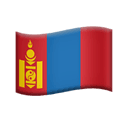
πŸ‡²πŸ‡³ represents the flag of Mongolia, which displays three vertical bands of red, blue, and red. The left red band contains a yellow Soyombo symbol composed of geometric shapes. Some designs appear flat and static while others add folds, shading, or wave-like motion to simulate a flag in the wind.

Mongolia is a landlocked nation in East and Central Asia known for its vast steppes and nomadic traditions. The Soyombo symbol is a complex arrangement of icons where the flame represents growth, while the sun and moon symbolize the eternal nation; the blue stripe honors the eternal blue sky, a sacred concept in the region.

This emoji is often used to denote national identity in sports, geography, and travel discussions. It is frequently seen in posts about the Naadam festival or when referencing the country's unique cultural heritage.
Groups
Subgroups
Unicode
U+1F1F2 U+1F1F3
Variant status
Fully-qualified
Emoji version
E2.0

You may also want to check out

Related emojis that share similar meanings or usage.

πŸ‡°πŸ‡¬
flag: Kyrgyzstan

πŸ‡°πŸ‡¬ represents the flag of Kyrgyzstan, which consists of a solid red field with a yellow sun in the center. Some designs appear flat while others add folds or shading to simulate a flag in the wind. Kyrgyzstan is a mountainous landlocked country in Central Asia known for its nomadic traditions. The central symbol is a tunduk, the top part of a yurt, which represents the family home and the universe, surrounded by a sun with rays representing forty tribes. This emoji is commonly used to identify the nation in digital profiles and during international sporting events. It is often used to highlight the country's unique cultural heritage and stunning alpine geography.

πŸ‡°πŸ‡Ώ
flag: Kazakhstan

πŸ‡°πŸ‡Ώ represents the flag of Kazakhstan, which displays a gold sun and eagle on a bright blue field with a vertical pattern on the left. Some designs appear flat and static while others add folds, shading, or wave-like motion to simulate a flag in the wind. Kazakhstan is the world's largest landlocked country, and its flag reflects this vastness through its sky-blue background. The central golden sun and soaring eagle represent power and vision, while the ornamental national pattern on the hoist side honors the country's artistic and cultural traditions. This emoji is often used to denote national identity in sports, international relations, and tourism. It serves as a clear marker for anything related to the geography or culture of Central Asia.

πŸ‡ΊπŸ‡Ώ
flag: Uzbekistan

πŸ‡ΊπŸ‡Ώ represents the flag of Uzbekistan, which contains horizontal bands of blue, white, and green separated by thin red lines, with a white crescent and twelve stars in the upper left. Some designs appear flat and static while others add folds, shading, or wave-like motion to simulate a flag in the wind. Uzbekistan is a central Asian nation known for its deep Silk Road history and stunning architecture. The twelve stars on the flag correspond to the months of the year, while the white crescent reflects the country's cultural heritage and the birth of a new nation. This emoji is commonly used to express national identity or to highlight travel and geography. It is often used in sports contexts or when discussing the unique cultural landmarks of Central Asia.

πŸ‡ΉπŸ‡²
flag: Turkmenistan

πŸ‡ΉπŸ‡² represents the flag of Turkmenistan, featuring a green field with a red vertical stripe on the left containing five intricate carpet patterns, plus a white crescent and five stars. Some designs appear flat and static while others add folds, shading, or wave-like motion to simulate a flag in the wind. Turkmenistan is a Central Asian country famous for its historical connection to the Silk Road and its unique architecture. The five carpet guls displayed on the red stripe symbolize the traditional weaving industry and the five major tribes of the nation, while the green background and crescent are often interpreted as symbols of life and peace. This emoji is often used to denote national identity in social media bios or to mark geographical locations in travel logs. It frequently appears in discussions regarding Central Asian culture, energy resources, or international athletics.

πŸ‡ΉπŸ‡―
flag: Tajikistan

πŸ‡ΉπŸ‡― represents the flag of Tajikistan, which features horizontal stripes of red, white, and green with a gold crown and seven stars in the center. Some designs appear flat and static while others add folds or wave-like motion to simulate a flag in the wind. Tajikistan is a mountainous Central Asian nation. The red stripe represents national unity, while the central crown and seven stars signify state sovereignty and the importance of the number seven in local culture. This national symbol reflects the country's transition and heritage. This emoji is often used to denote national identity, sports representation, or geographical location. It frequently appears in travel posts and cultural discussions regarding the region.