flag: Lesotho

πŸ‡±πŸ‡Έ

flag: Lesotho

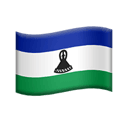
πŸ‡±πŸ‡Έ represents the flag of Lesotho, which features three horizontal stripes of blue, white, and green with a black Basotho hat centered in the white band. Some designs appear flat and static while others add folds, shading, or wave-like motion to simulate a flag in the wind.

Lesotho is a high-altitude kingdom known for its mountainous landscape, and its flag reflects this national identity through specific colors: blue for rain, white for peace, and green for prosperity. The central black silhouette is a Mokorotlo, a traditional straw hat that remains a powerful symbol of the Basotho people.

This emoji is often used to denote the country in geographical or political discussions. It is also common in sports contexts or when referencing the unique culture and tourism of the region.
Groups
Subgroups
Unicode
U+1F1F1 U+1F1F8
Variant status
Fully-qualified
Emoji version
E2.0

You may also want to check out

Related emojis that share similar meanings or usage.

πŸ‡ΏπŸ‡²
flag: Zambia

πŸ‡ΏπŸ‡² represents the flag of Zambia, which displays a green field with a block of red, black, and orange vertical stripes in the lower right corner topped by an orange eagle. Some designs appear flat and static while others add folds, shading, or wave-like motion to simulate a flag in the wind. Zambia is a landlocked country in Southern Africa known for its diverse wildlife and the massive Victoria Falls. The green field signifies the nation's agriculture, while the soaring eagle represents the national spirit and the ability to overcome challenges. The specific color arrangement reflects the country's history and its rich copper mining industry. This emoji is commonly used to denote national identity in social media bios or to signal geographic locations. It is also frequently seen during international sporting events to show support for Zambian athletes.

πŸ‡ΏπŸ‡¦
flag: South Africa

πŸ‡ΏπŸ‡¦ represents the flag of South Africa, which features a horizontal green Y-shaped band with white and yellow borders, a black triangle on the left, and red and blue sections. Some designs appear flat and static while others add folds, shading, or wave-like motion to simulate a flag in the wind. South Africa is located at the southern tip of the African continent and is famously known for its rich biodiversity. The green Y-shaped band represents the merging of different cultures and histories into one unified future, reflecting the country's identity as a multi-ethnic society. This emoji is frequently used to express national pride during international sporting matches or to mark geographic locations in travel posts. It is often used to signal cultural topics or to celebrate the heritage of the southern African region.

πŸ‡²πŸ‡Ώ
flag: Mozambique

πŸ‡²πŸ‡Ώ represents the flag of Mozambique, which includes horizontal green, black, and yellow bands with a red triangle containing a star, book, hoe, and rifle. Some designs appear flat and static while others add folds, shading, or wave-like motion to simulate a flag in the wind. Mozambique is a coastal nation in Southern Africa known for its extensive Indian Ocean shoreline. The flag elements symbolize a commitment to national defense through the rifle, the importance of education via the open book, and the agricultural foundations represented by the hoe. This emoji is often used to signify Mozambican heritage or to mark geographical locations in travel posts. It frequently appears in international sports threads or cultural exchanges to represent the country's unique history and identity.

πŸ‡ΈπŸ‡±
flag: Sierra Leone

πŸ‡ΈπŸ‡± represents the flag of Sierra Leone, which consists of three horizontal bands of green, white, and blue. Some designs appear flat and static while others add folds, shading, or wave-like motion to simulate a flag in the wind. Sierra Leone is a West African nation known for its white-sand beaches and diverse wildlife. The green band signifies the country's agricultural wealth, the white band stands for peace and justice, and the blue band represents the Atlantic Ocean. This emoji is often used to denote national identity during sporting events or to signal geographical location. It is a common marker for travel, cultural exchange, and regional news updates.

πŸ‡ΉπŸ‡Ώ
flag: Tanzania

πŸ‡ΉπŸ‡Ώ represents the flag of Tanzania, which uses a diagonal black band with yellow borders to separate a green triangle on top from a blue triangle below. Some designs appear flat and static while others add folds, shading, or wave-like motion to simulate a flag in the wind. Tanzania is home to Africa's highest peak, Mount Kilimanjaro, and the vast Serengeti plains. The flag's green field stands for the country's lush vegetation, while the black diagonal represents the local population, framed by thin yellow lines denoting mineral prosperity. It is often used to denote national identity in social media bios or to signal travel destinations within East Africa. This emoji frequently appears in discussions regarding wildlife conservation, tourism, and regional diplomatic affairs.