๐Ÿ‡ฌ๐Ÿ‡บ

flag: Guam

Last updated: 04/26/2026

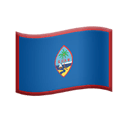
๐Ÿ‡ฌ๐Ÿ‡บ represents the flag of Guam, which displays a dark blue field with a red border and a central almond-shaped emblem. Some designs appear flat and static while others add folds, shading, or wave-like motion to simulate a flag in the wind.

Guam is a Pacific island territory known for its strategic location and indigenous Chamorro culture. The central sling stone shape contains a scene of Agana Bay, a proa sailing boat, and a palm tree, which collectively symbolize the endurance and cultural heritage of the local people.

This emoji is commonly used to express island pride or to mark geographic locations in the Western Pacific. It is often used in social media posts related to regional identity, tourism, and community events.
Groups
Subgroups
Unicode
U+1F1EC U+1F1FA
Variant status
Fully-qualified
Emoji version

Platform rendering differences

flag: Guam appearance on Apple

Apple

flag: Guam appearance on Twemoji

Twemoji

Apple Emoji icons and related visual assets shown here are the property and registered trademarks of Apple Inc. They are included only for commentary, comparison, and informational purposes, not for commercial use.

You may also want to check out

Related emojis that share similar meanings or usage.

๐Ÿ‡ต๐Ÿ‡ท
flag: Puerto Rico

๐Ÿ‡ต๐Ÿ‡ท represents the flag of Puerto Rico, which features five alternating horizontal stripes of red and white with a blue triangle and a white star on the left. Some designs appear flat and static while others add folds, shading, or wave-like motion to simulate a flag in the wind. Puerto Rico is a Caribbean island known for its vibrant music and diverse landscape. The blue triangle signifies the three branches of government, while the white star represents the island itself, set against red stripes for bravery and white for liberty. This emoji is frequently used to denote cultural identity and local heritage. It is often used in posts about Caribbean travel, holiday celebrations, or during international sports competitions to show support for the island.

๐Ÿ‡ซ๐Ÿ‡ฒ
flag: Micronesia

๐Ÿ‡ซ๐Ÿ‡ฒ represents the flag of Micronesia, displaying four white stars arranged in a diamond pattern on a light blue background. Some designs appear flat and static while others add folds, shading, or wave-like motion to simulate a flag in the wind. Micronesia is a sovereign island nation located in the western Pacific Ocean. The light blue field represents the surrounding waters, while the four stars signify the four constituent island groups that form the federation. This design is rooted in the history of the Trust Territory of the Pacific Islands, maintaining a visual link to the region's shared past. This emoji is often used to denote national identity or to mark locations during travel through the Pacific. It is also frequently utilized in sports and cultural discussions to represent Micronesian heritage.

๐Ÿ‡ต๐Ÿ‡ผ
flag: Palau

๐Ÿ‡ต๐Ÿ‡ผ represents the flag of Palau, which features a light blue field and a solid yellow circle positioned slightly off-center toward the left. Some designs appear flat and static while others add folds, shading, or wave-like motion to simulate a flag in the wind. Palau is an island nation in the western Pacific known for its stunning marine biodiversity. The blue background represents the surrounding ocean, while the yellow disk symbolizes the full moon, a traditional sign of peace and a time for human activity. This layout is visually distinct from the Japanese flag due to the off-center placement and specific color choices. This emoji is often used to denote national identity or to highlight travel destinations within the Micronesia region. It frequently appears in discussions regarding environmental protection and international sports competitions.

๐Ÿ‡น๐Ÿ‡ผ
flag: Taiwan

๐Ÿ‡น๐Ÿ‡ผ represents the flag of Taiwan, which includes a red field with a dark blue canton in the upper left containing a white sun with twelve rays. Some designs appear flat and static while others add folds, shading, or wave-like motion to simulate a flag in the wind. Located in East Asia, this island is known for its high-tech industry and vibrant night markets. The white sun symbolizes progress and time, while the blue and red fields represent the principles of liberty and sacrifice. This combination creates a high-contrast visual identity that is easily recognizable in digital lists. It is often used to signify geographic location, travel itineraries, or participation in global sporting events. This emoji serves as a primary marker for cultural and regional topics related to the area.

๐Ÿ‡ฒ๐Ÿ‡ญ
flag: Marshall Islands

๐Ÿ‡ฒ๐Ÿ‡ญ represents the flag of the Marshall Islands, which uses a blue field with two diagonal stripes of orange and white rising from the bottom corner, and a 24-pointed white star in the upper left. Some designs appear flat while others add folds, shading, or wave-like motion to simulate a flag in the wind. This central Pacific nation is known for its coral atolls and seafaring heritage. The blue background represents the ocean, while the diagonal bands symbolize the equator and a path toward the future. The white star's large points denote the four main centers of the archipelago, serving as a vital cultural symbol of unity. It is often used to denote national identity in sports or to tag social media posts about Pacific travel and geography. This emoji effectively identifies the country in a concise visual format.