πŸ‡¬πŸ‡¦

flag: Gabon

Last updated: 04/26/2026

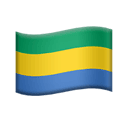
πŸ‡¬πŸ‡¦ represents flag: Gabon, which displays three horizontal bands of green, yellow, and blue. Some designs appear flat and static while others add folds, shading, or wave-like motion to simulate a flag in the wind.

Gabon is a Central African nation where the green band signifies the vast timber and forest resources, the yellow represents the equator that crosses the country, and the blue denotes the Atlantic Ocean. This combination highlights the nation's geographical identity and its reliance on natural beauty.

This emoji is often used to denote national pride or to reference the country in travel and news contexts. It serves as a clear visual shorthand for anyone discussing Gabonese culture, industry, or sports.
Groups
Subgroups
Unicode
U+1F1EC U+1F1E6
Variant status
Fully-qualified
Emoji version

Platform rendering differences

flag: Gabon appearance on Apple

Apple

flag: Gabon appearance on Twemoji

Twemoji

Apple Emoji icons and related visual assets shown here are the property and registered trademarks of Apple Inc. They are included only for commentary, comparison, and informational purposes, not for commercial use.

You may also want to check out

Related emojis that share similar meanings or usage.

πŸ‡ΊπŸ‡¬
flag: Uganda

πŸ‡ΊπŸ‡¬ represents the flag of Uganda, which consists of six horizontal stripes in black, yellow, and red, with a white circle in the center containing a crested crane. Some designs appear flat and static while others add folds, shading, or wave-like motion to simulate a flag in the wind. Uganda is a vibrant East African nation often referred to as the Pearl of Africa. The black stripes symbolize the African people, yellow represents the abundant sunshine, and red signifies African brotherhood, while the central crested crane serves as the primary national emblem. This emoji is often used to denote national identity, cultural pride, or travel to the region. It frequently appears in discussions regarding African geography, international athletics, and wildlife conservation efforts.

πŸ‡¬πŸ‡Ά
flag: Equatorial Guinea

πŸ‡¬πŸ‡Ά represents the flag of Equatorial Guinea, which includes green, white, and red horizontal bands with a blue triangle at the hoist and a centered national coat of arms. Some designs appear flat and static while others add folds, shading, or wave-like motion to simulate a flag in the wind. Located on the west coast of Central Africa, this nation is unique for its diverse geography spanning both the mainland and several islands. The silk-cotton tree in the center serves as a powerful national symbol of historical agreements, while the six stars above it unify the country's different territories under one banner. This emoji is commonly used to express national pride or to mark geographic locations in social media bios. It is often used in discussions regarding Central African trade, culture, or international sporting competitions.

πŸ‡ΉπŸ‡©
flag: Chad

πŸ‡ΉπŸ‡© represents the flag of Chad, which consists of three vertical bands in blue, yellow, and red. Some designs appear flat and static while others add folds, shading, or wave-like motion to simulate a flag in the wind. Chad is a vast landlocked country in North-Central Africa where the blue stripe signifies the sky and hope, the yellow stripe represents the sun and the northern desert, and the red stripe symbolizes the blood shed for independence. This tricolor layout mirrors the French flag's structure while utilizing Pan-African colors to reflect local identity and history. This emoji is often used in digital contexts to denote Chadian citizenship, cultural heritage, or participation in international events. It serves as a clear geographical marker for topics related to the Sahel region or Chadian diplomacy.

πŸ‡¬πŸ‡³
flag: Guinea

πŸ‡¬πŸ‡³ represents the flag of Guinea, which displays three vertical stripes of red, yellow, and green. Some designs appear flat and static while others add folds, shading, or wave-like motion to simulate a flag in the wind. Guinea is a West African nation known for its vast mineral reserves and diverse landscapes. The Pan-African colors used in the design carry specific meanings: red for the labor of the people, yellow for the sun and gold, and green for the country's agricultural wealth and vegetation. This emoji is commonly used to denote national identity in social media bios or to mark official government communications. It is also frequently seen during international sporting events to show support for Guinean athletes.

πŸ‡ΉπŸ‡Ώ
flag: Tanzania

πŸ‡ΉπŸ‡Ώ represents the flag of Tanzania, which uses a diagonal black band with yellow borders to separate a green triangle on top from a blue triangle below. Some designs appear flat and static while others add folds, shading, or wave-like motion to simulate a flag in the wind. Tanzania is home to Africa's highest peak, Mount Kilimanjaro, and the vast Serengeti plains. The flag's green field stands for the country's lush vegetation, while the black diagonal represents the local population, framed by thin yellow lines denoting mineral prosperity. It is often used to denote national identity in social media bios or to signal travel destinations within East Africa. This emoji frequently appears in discussions regarding wildlife conservation, tourism, and regional diplomatic affairs.