๐Ÿ‡ซ๐Ÿ‡ด

flag: Faroe Islands

Last updated: 04/26/2026

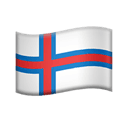
๐Ÿ‡ซ๐Ÿ‡ด represents flag: Faroe Islands, which features a red Nordic cross outlined in blue on a plain white field. Some designs appear flat and static while others add folds, shading, or wave-like motion to simulate a flag in the wind.

The Faroe Islands is an autonomous territory located between the Norwegian Sea and the North Atlantic Ocean. The white field reflects the foam of the sea and the bright Faroese sky, while the red and blue colors represent the islands' deep-rooted Nordic connections and traditional heritage.

This emoji is commonly used to denote geographical location, national pride, or participation in international events. It is often used in social media bios or travel posts to signal a connection to Faroese culture and the unique island landscape.
Groups
Subgroups
Unicode
U+1F1EB U+1F1F4
Variant status
Fully-qualified
Emoji version

Platform rendering differences

flag: Faroe Islands appearance on Apple

Apple

flag: Faroe Islands appearance on Twemoji

Twemoji

Apple Emoji icons and related visual assets shown here are the property and registered trademarks of Apple Inc. They are included only for commentary, comparison, and informational purposes, not for commercial use.

You may also want to check out

Related emojis that share similar meanings or usage.

๐Ÿ‡ฉ๐Ÿ‡ฐ
flag: Denmark

๐Ÿ‡ฉ๐Ÿ‡ฐ represents the flag of Denmark, which consists of a solid red field and a white Nordic cross positioned toward the left. Some designs appear flat and static while others add folds, shading, or wave-like motion to simulate a flag in the wind. Denmark is a Nordic country in Northern Europe known for its maritime history and high social equality. The red field and white cross symbolize the Dannebrog, which is widely regarded as one of the oldest national flags in existence. This emoji is frequently used to denote Danish identity in digital profiles or to celebrate national holidays and sporting achievements. It is also a common marker for topics related to Scandinavian culture, design, and travel.

๐Ÿ‡ธ๐Ÿ‡ช
flag: Sweden

๐Ÿ‡ธ๐Ÿ‡ช represents the flag of Sweden, which features a yellow Nordic cross on a blue field. Some designs appear flat and static while others add folds, shading, or wave-like motion to simulate a flag in the wind. Sweden is a Nordic country known for its vast forests and thousands of coastal islands. The yellow cross symbolizes the sun and faith, while the blue field represents the sky and sea, reflecting the colors of the Swedish coat of arms. It is often used to denote Swedish identity, culture, or the Swedish language. This emoji frequently appears in contexts involving international sports, Scandinavian travel, or when referring to Swedish brands and design aesthetics.

๐Ÿ‡ณ๐Ÿ‡ด
flag: Norway

๐Ÿ‡ณ๐Ÿ‡ด represents the flag of Norway, which displays a blue cross with white borders on a solid red background. Some designs appear flat and static while others add folds, shading, or wave-like motion to simulate a flag in the wind. Norway is a Nordic country located in Northern Europe, known for its extensive coastline and mountainous terrain. The Nordic cross layout is a shared tradition among Scandinavian nations, where the off-center intersection represents Christian heritage and the specific color combination signifies the country's national identity and history. This emoji is frequently used to denote geographical location or cultural pride. It is often used in discussions about outdoor tourism, winter sports, or when celebrating Constitution Day on May 17th.

๐Ÿ‡ฎ๐Ÿ‡ธ
flag: Iceland

๐Ÿ‡ฎ๐Ÿ‡ธ represents the flag of Iceland, which features a blue field with a red cross outlined in white shifted toward the hoist side. Some designs appear flat and static while others add folds, shading, or wave-like motion to simulate a flag in the wind. Iceland is a Nordic island nation situated between the North Atlantic and Arctic Oceans. The Nordic cross design reflects historical ties to the region, with the blue color representing the Atlantic Ocean, the white representing snow and ice, and the red symbolizing the heat of the country's many volcanoes. This emoji is commonly used to denote national identity in digital profiles or to represent the country in sports and travel contexts. It is often used when discussing northern geography, aurora borealis sightings, or the unique cultural heritage of the island.

๐Ÿ‡ณ๐Ÿ‡ฑ
flag: Netherlands

๐Ÿ‡ณ๐Ÿ‡ฑ represents the flag: Netherlands, which consists of three horizontal bands of red, white, and blue. Some designs appear flat and static while others add folds, shading, or wave-like motion to simulate a flag in the wind. The Netherlands is a coastal European nation famous for its windmills, tulips, and extensive canal systems. The horizontal tricolor design uses red to symbolize the people, white for peace, and blue for the sea and the sky, reflecting the country's long history of land reclamation and trade. This emoji is often used to signify national identity during major sporting events or to indicate a Dutch location in travel social media posts. It is also a common shorthand for the Dutch language in digital menus and profile descriptions.