chequered flag

๐Ÿ

chequered flag

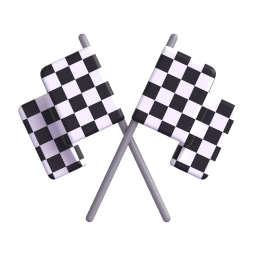
๐Ÿ represents a chequered flag. It is usually shown as a rectangular flag with a black and white grid pattern attached to a grey pole on the left, often appearing with wavy folds to suggest it is fluttering.

This flag represents a finish line or the completion of a competitive event. It is a stable symbol for motorsports and general racing, where the alternating squares provide a high-contrast visual for drivers to see at high speeds. The design emphasizes motion and victory through its waving shape.

Often used in sports talk, project updates, or casual chat to signal that something has reached its end. It acts as a clear marker for goals achieved, race results, or simply finishing a task.

Groups
Subgroups
Unicode
U+1F3C1
Variant status
Fully-qualified
Emoji version
E0.6

You may also want to check out

Related emojis that share similar meanings or usage.

๐Ÿšฉ
triangular flag

๐Ÿšฉ represents a red flag. It is usually shown as a triangular pennant attached to a grey pole on the left, with some designs featuring a flat finish while some renderings show a wavy, wind-swept appearance. This flag is a common sight in navigation and event management, serving as a marker for checkpoints or specific targets. The high-contrast red color and distinct pennant shape ensure the symbol remains highly visible even at small scales, making it a reliable choice for signaling a warning or a goal. Commonly used in map notes to designate a location or in sports talk to represent a milestone. It also appears frequently in text messages to point out a cautionary situation or a metaphorical red flag.

๐Ÿณ๏ธ
white flag

๐Ÿณ๏ธ represents a white flag. It is usually shown as a rectangular pennant attached to a pole on the left, and some designs use soft grey shadows to show a waving motion. This flag is a universal sign for surrender or a request for a truce. It represents neutrality and a pause in conflict, making it a clear marker for negotiation or the admission of defeat in various historical and modern settings. Commonly used in sports talk to signal giving up, or in casual chat to end a playful argument. It also appears in discussions about peace or whenever a symbolic white flag is needed to mark the end of a struggle.

๐Ÿ‡ฒ๐Ÿ‡จ
flag: Monaco

๐Ÿ‡ฒ๐Ÿ‡จ represents the flag of Monaco, which features two equal horizontal bands of red on the top and white on the bottom. Some designs appear flat and static while others add folds, shading, or wave-like motion to simulate a flag in the wind. Monaco is a sovereign city-state on the French Riviera known for its Mediterranean coastline and high-profile events. The red and white colors reflect the historic coat of arms of the Grimaldi family, serving as a primary national symbol since the 14th century. This emoji is commonly used to signify local identity, luxury tourism, or global sporting competitions. It is often used in social media bios or travel posts to represent the unique culture of the principality.

๐Ÿด
black flag

๐Ÿด represents a black flag. It is usually shown as a rectangular flag attached to a vertical pole on the left, and some designs use deep grey shading to create a wavy, wind-swept appearance. This flag serves as a distinct status marker for non-conformity or mourning. It is commonly used in contexts involving anarchist symbolism, racing disqualifications, or as a general sign of rebellion against standard norms. Often used in political chat, sports commentary, or social media posts to signal a dark aesthetic. It works effectively as a marker for a specific location, a movement, or a metaphorical statement of defiance.

๐Ÿด๓ ง๓ ข๓ ท๓ ฌ๓ ณ๓ ฟ
flag: Wales

๐Ÿด๓ ง๓ ข๓ ท๓ ฌ๓ ณ๓ ฟ represents the Wales flag. It has two horizontal bands of white and green with a large red dragon standing in the center, and some designs show the dragon with detailed wings and a spiked tail. Wales is a constituent country of the United Kingdom with a unique Celtic heritage. The Red Dragon symbol, known as Y Ddraig Goch, is set against the green and white colors of the House of Tudor, serving as a primary marker of regional identity that is distinct from the Union Jack. This emoji appears frequently during rugby and football tournaments to show support for national athletes. It also functions as a clear geographic tag for travel content and cultural discussions regarding the Welsh language or history.